
New study elucidates the role of Arabidopsis ABCB19 as a brassinosteroid exporter
Mysterious exporter for brassinosteroids identified for the first time
Mysterious exporter for brassinosteroids identified for the first time
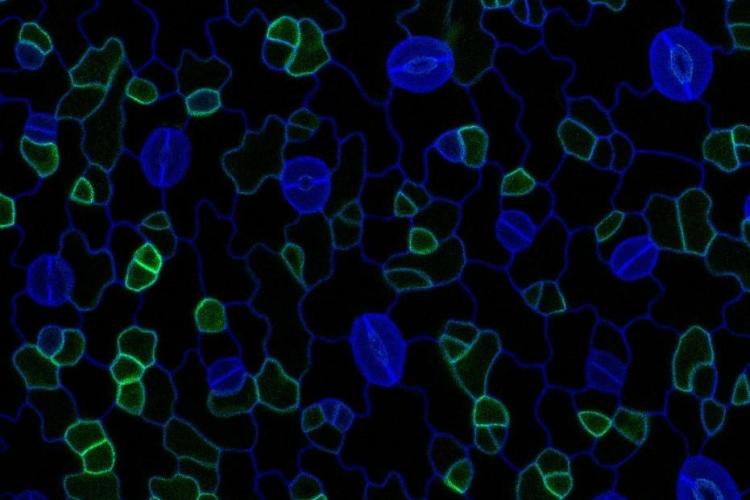
Only recently it became apparent that signalling components in plants, as in mammalian systems, are involved in more than one signalling pathway, creating a need for research to understand the mechanisms of specificity and integration of these pathways within an individual cell. Our aim is to molecularly characterize the interaction between brassinosteroid and stomatal signalling pathways at the level of the brassinosteroid-regulated GSK3-like kinases.
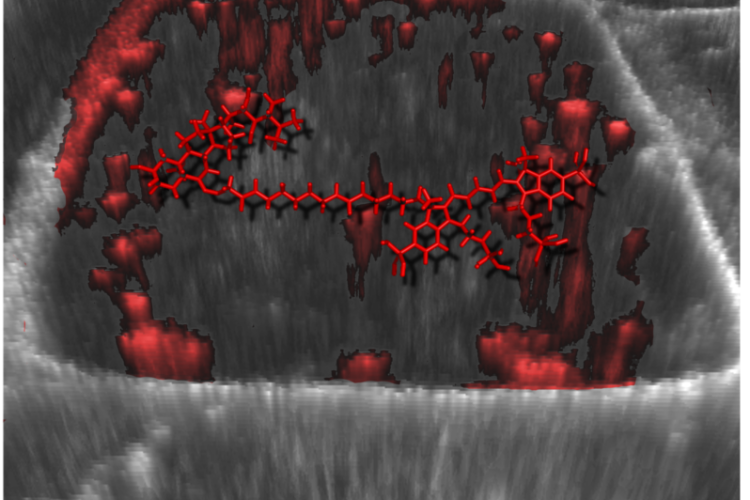
Genetic studies of brassinosteroid signalling and of its interplay with endocytosis are hampered by gene redundancy, the very dynamic nature of endomembrane trafficking and the high degree of lethality of the genes encoding endomembrane components. Chemical genetics is a powerful approach that overcomes these limitations by the use of small molecules that perturb the protein function in a specific, fast, and conditional manner. The function of redundant proteins can be simultaneously perturbed by a general antagonist, thereby revealing novel phenotypes.
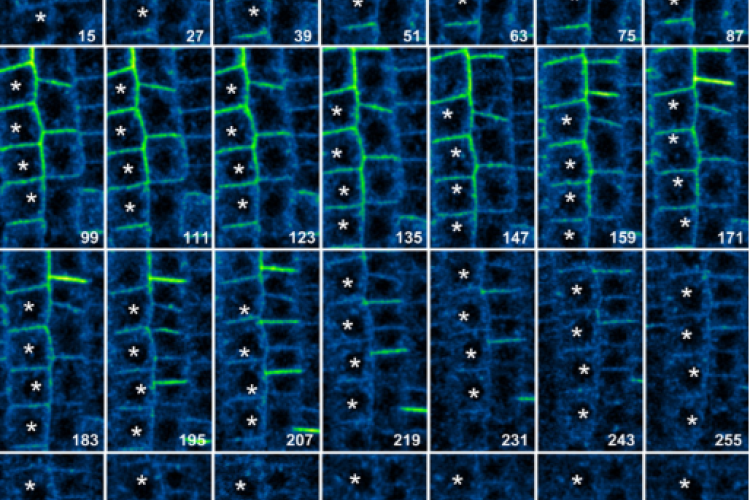
Growing evidence suggests that plants have adapted endocytosis for signal transduction and use mechanisms similar to those of animals to regulate receptor internalization. Despite progress in the description of some endocytic routes of plant plasma membrane proteins, we are far from a complete understanding of the endocytic trafficking of receptor complexes and to which extent their signalling activity requires and is modulated by these routes.
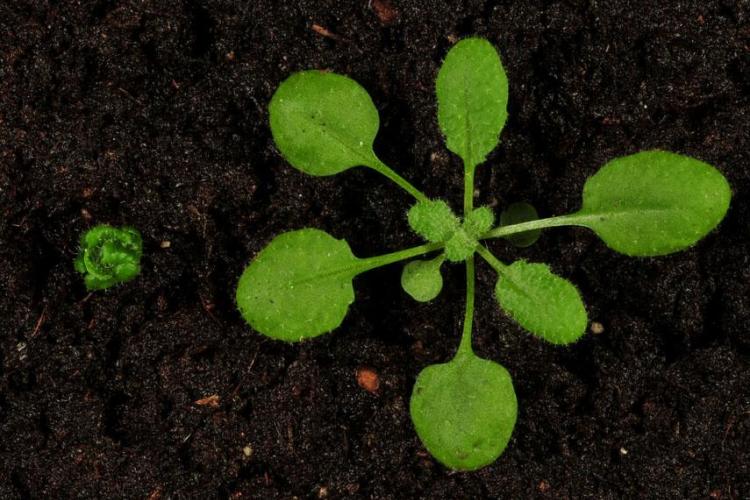
In Arabidopsis, brassinosteroids are perceived by receptor kinases that transduce the signal from the cell surface to the nucleus by an intracellular cascade of phosphorylation mediated protein-protein interactions, involving kinases, phosphatases, 14-3-3 proteins, and nuclear transcription factors. In addition, brassinosteroid signalling is regulated by the plant endocytic machinery because an increased endosomal localization of the brassinosteroid receptor enhances the signalling.
The team of Prof. Eugenia Russinova (VIB-UGent Center for Plant Systems Biology) has made a significant breakthrough in understanding the transport mechanisms of brassinosteroids, phytohormones crucial for plant growth, development, and adaptation to environmental stresses.
New research discovers how plant hormones called brassinosteroids affect gene expression and plant growth
The National Academy of Science (NAS) announced the election of its new members. Among them, Prof. Jenny Russinova from the VIB-UGent Center for Plant Systems Biology. The NAS membership is a recognition of her distinguished and continuing achievements in her research field.